Cuckoo clocks have fascinated people for hundreds of years, with their handmade charm and marking the hour with that signature cuckoo call that we have come to know and love.
As with most things, the cuckoo clock has evolved, combining well-loved traditional features and functions with contemporary elements. Throughout this blog, we will explore the evolution of these wonderful clocks and how they have adapted to fit into today’s modern homes.
A brief history of the cuckoo clock
The cuckoo clock, with a deep-rooted history and rich culture, was created in the Black Forest region of Germany in the mid-17th century. From intricate decorative outer carvings to mechanical features inside the clock, each element of the traditional cuckoo clock was, and still is, handcrafted, making each clock unique.
The traditional cuckoo clock signature design is renowned across the globe. Decorated with local nature and lifestyle-themed carvings, traditional cuckoo clocks often depict hunting scenes, trees and flowers, with a door that allows the famous bird to appear when chiming in the hour.
Traditional clocks are usually subtle with colour, keeping with the natural theme of wood and the warmer colours associated with nature (oranges, reds, and greens).
Combining tradition and innovation
So, what exactly is a modern cuckoo clock, and how do they differ from the more traditional clocks?
Shape
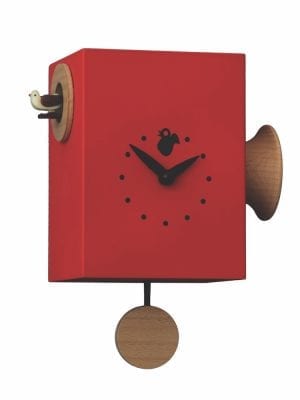
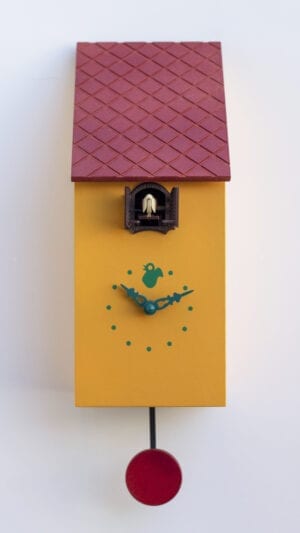
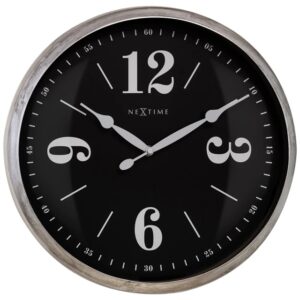
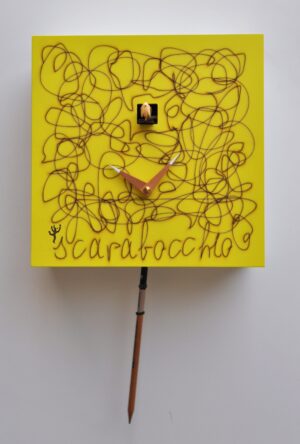
While the traditional clocks are shaped like chalet houses, modern cuckoo clocks come in different shapes and sizes, from a typical circular clock face to a rectangle. Some modern cuckoo clocks loosely follow tradition and still have a house shape; some are even shaped like birdhouses, which fit the clock’s name.
Design
There are some noticeable differences between the modern cuckoo clock and the traditional one, the biggest of which is the design. Traditionally, clocks of this kind were made using one particular style, from the chalet house shape to hand-carved wooden decorative features. The modern cuckoo clock comes in various designs and colours, with a more simplistic and sleek approach. For instance, you might find a modern cuckoo clock with a minimalist design, or one that incorporates contemporary elements like metal or glass.
Mechanical functions
Inside the traditional cuckoo clock, you’ll find the gear train, driven by weights and a pendulum to regulate the timekeeping. A separate weight also drives the cuckoo call on the hour, often every half hour.
Unlike their predecessors, modern cuckoo clocks are battery-powered with quartz movement, and the inner mechanisms are much more straightforward. This means they require less maintenance and are more reliable in keeping time. Small motors also power the hourly cuckoo chime and bird.
Sounds
Cuckoo clocks made in modern times still use the famous cuckoo call to mark the hour. However, with today’s technology, multiple sounds are now possible; you can even choose customisable sounds in some clocks. The mechanical bellows used in traditional clocks have been replaced with speakers, and the sounds are generated digitally.
Some clocks even have a built-in light sensor, which signals to the clock that it’s dark. The chiming will stop until it is light again so as not to disturb your sleep.
Final thoughts
In this blog, we’ve covered how the traditional cuckoo clock has evolved into a sleek and modern timepiece that combines some of the traditional charm and craftsmanship. With subtle nods to their predecessors, the modern cuckoo clock still maintains the signature bird appearing from a door and the cuckoo call. However, it also introduces new and intriguing features, such as customisable sounds and a built-in light sensor, making it a fascinating addition to modern decors.
Whether you prefer a modern or classic style, the cuckoo clock, with its timeless appeal, can still capture the attention of enthusiasts worldwide, a reminder that some things never go out of style.